

In order to meet community need, there are certain factors that need to be in place, and these are highlighted in the 10 Ingredients that support Meeting Community Need
- Skilled workforce
- A learning culture
- Collaboration
- Community need
- Intentionality
- Measuring impact
- Co-design
- Person centred
- Fun and social activities
- An inclusive approach
1. Skilled workforce
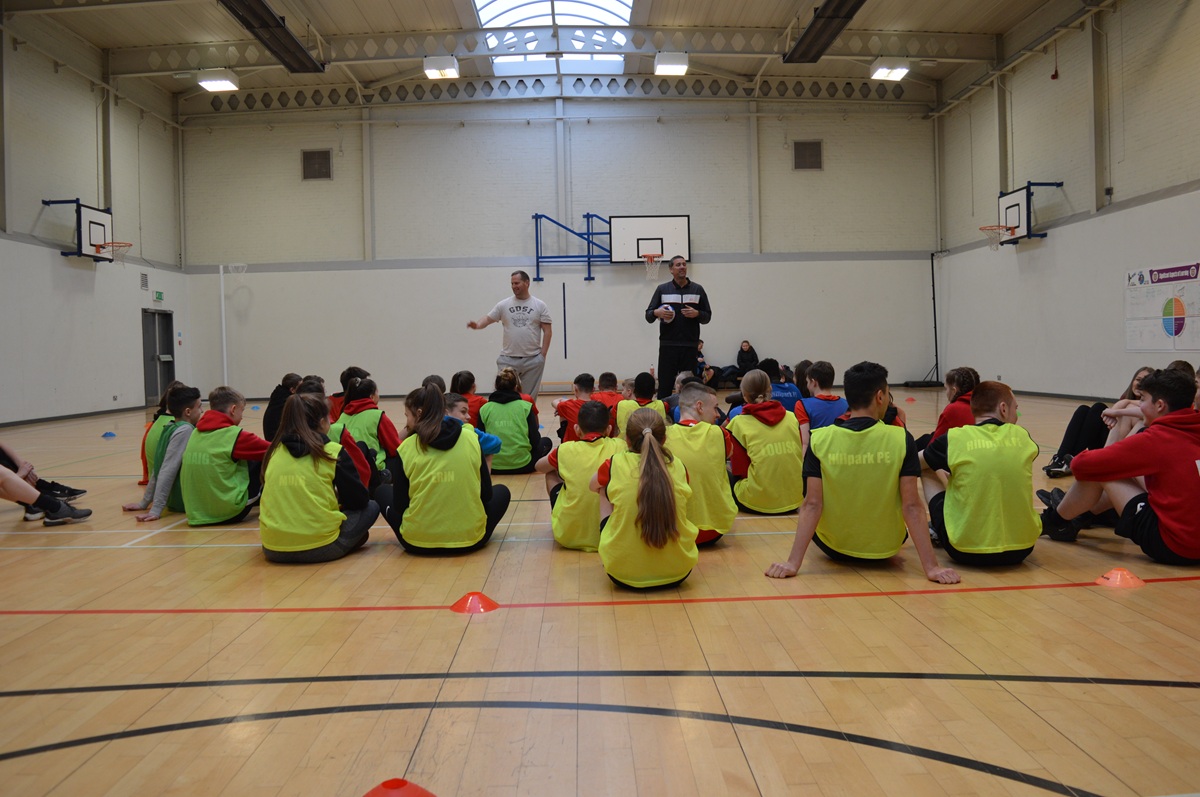
Staff and volunteers are a club’s biggest resource in making Meeting community need work successful. Key areas of learning include:
- intended outcomes – ensure all staff and volunteers understand the change that is being aimed for
- support and training – staff and volunteers need training to effectively communicate and apply the principles, including training on the approach, inclusion, trauma, mental health and being outcomes focused
- role models – staff and volunteers can often act as role models, and having lived experience of participants’ circumstances and being from the local community can be incredibly valuable
- leadership – senior staff, volunteers and decision makers must be committed to driving change over a long period of time, and testing and learning from new ways of working.
- relationships - importance of relationships, caring and interested adults, a sense of accepting and belonging, positive role models, empowerment, taking a youth work and needs based approach.
“Having a Muslim coach who is a woman has been fantastic in terms of connection and that ‘you can’t be who you can’t see’ thing. It takes it up a level and becomes about inspiring others.”
Case studies
- Dundee North West Community Sport Hub – highlights the role that staff play in developing inclusive opportunities and making impact for their community
- Castlebrae Community Sport Hub in Edinburgh has an excellent video demonstrating the importance of role models. Young people find role models help to bring fun, joy, connections and bonds, and help participants feel cared for and safe.
Learning tools
Leadership videos – leaders from across the sporting system bring to life how Meeting community need approaches have supported them to shape their work, develop sport and maximise impact on communities and individuals. The videos cover the impact of learning and development on them as individuals, the tools they learnt to use, how they implemented the approach, what learning they took and some of the projects that have resulted.
-
Allen Gibson, Community Activation officer, Active Stirling
Allen brings to life his professional journey in adopting the approach and working with Active Stirling to meet community need through sport.
-
Rosalind Asli, previously Equality, Inclusion and Welfare Manager, Bowls Scotland
Roz brings to life the importance of understanding the bigger picture that the sporting system sits within, and the communities that the system serves. She highlights the good work that Bowls Scotland do in engaging around mental health and wellbeing.
-
Keith McLeod, previously Engagement Manager, Scottish Hockey
Keith talks about the importance of assessing and reflecting where a sport is at in terms of engaging communities, and the tools that have helped him to do this. He brings this to life through Scottish Hockey’s work around the female athlete.
-
Gemma Simpson, Sport Development Officer, Live Active Leisure
Gemma brings to life the tools she has used to understand and meet community need across Perth and Kinross, specifically bringing to life the work around mental health and wellbeing.
In order to achieve both social and sporting outcomes, organisations must first be supported to be strong and effective. The 3 circles model is a short video that brings this to life.
-
Pricing models need to be considered in order to be able to deliver on sporting outcomes and community impact.
-
The Profit purpose matrix supports organisations to intentionally and sustainability plan programmes and activities that meet social and sporting outcomes
-
3 Ps of sustainability Becoming financially sustainable is critical to being strong and effective. It’s not necessarily about generating profit in the traditional commercial sense but about ensuring that clubs and community organisations can continue delivering sport and achieving wider social outcomes over the long term.
2. A learning culture
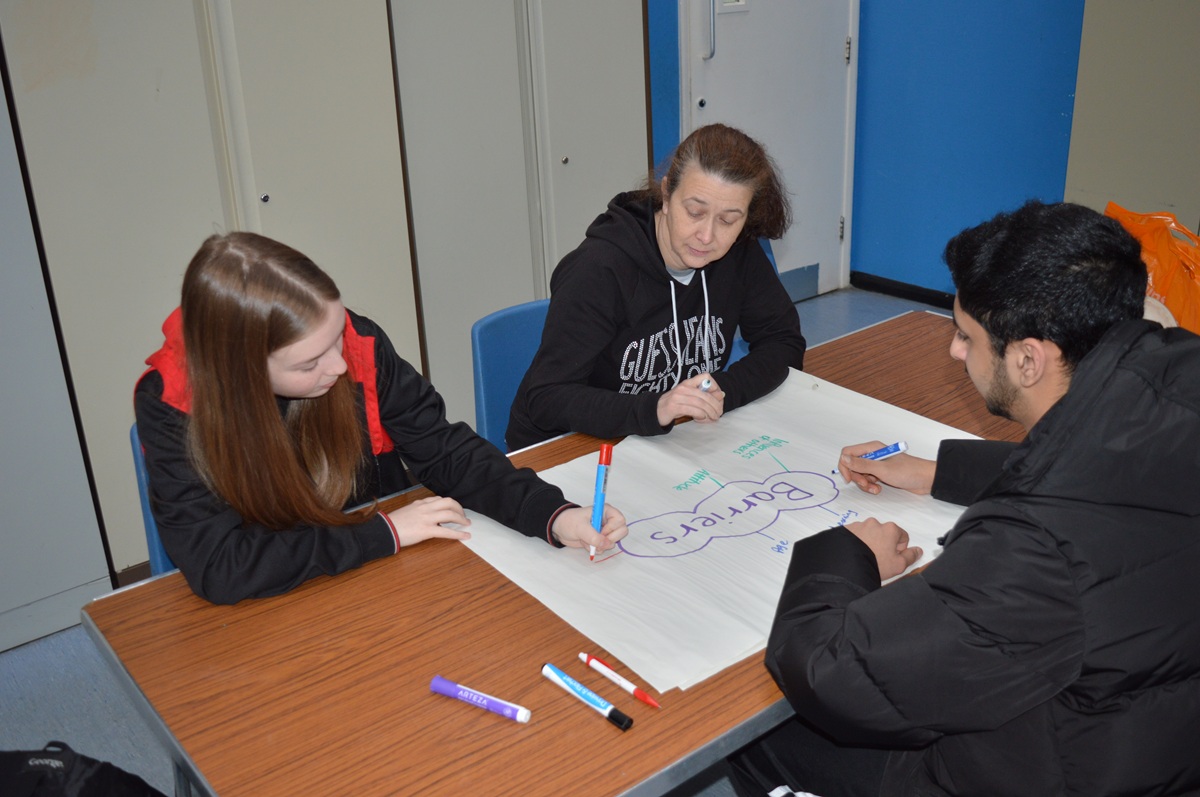
Organisations and clubs should consider the culture they have, and the values that underpin this. It is also key that organisations and clubs are open to engage in new ideas and approaches and embedding learning across their work. It may take time to firstly articulate the culture and values, and then to implement any change and to then see impact. Incremental, small changes are a core part of this approach.
Case studies
Sport Aberdeen has successfully supported a wide range of staff to adopt and understand elements of the approach. There is now an established culture of thinking beyond participation in sport and physical activity for fitness, to a more person-centred approaches, and a new and successful approach to funding. They identify success factors: 1. Connecting with the organisational vision - so that everyone has this as a 'touchpoint' 2. Increasing the diversity within their team, and supporting conversations that bring diverse ideas and experiences into play 3. Embedding a universal, targeted and specialist system of activities into the way everyone talks about sport and physical activity. 4. Communicating the commercial benefits of widening access - which could apply to any organisation exploring income generation - either through a commercial approach or with funders.
Meeting Community Needs - Leadership Conversation: Driving culture change in the wider organisation
Scottish Athletics received funding in 2018 for a Changing Lives project. Since then, eight staff members have completed the Champions programme, and the approach has gradually permeated across multiple aspects of the organisation’s work.
Scottish Athletics realised that to take this work forward would require dedicated staff and resources, so put together a funding bid which led to the creation of a Community Impact team. The approach has helped to provide a road map for a focus on communities, impact and health. Scottish Athletics has also reintroduced a Club Leaders’ Academy, which features work on both community need and equality, diversity and inclusion. Previously, the focus of this work was on club governance and coaching pathways.
In 2022 the Scottish Athletics developed a network to provide a safe space and supportive forum for staff members who want to learn more about meeting community need and discuss strategies for implementing this approach into practice. The network aims to meet quarterly, encourages debate and sharing of any best practice.
Learning tools
- Start with the why model - explore your purpose as a sporting organisation, which will underpin the way your organisation is managed and activity is delivered
- Start with the Why is brought to life through leaders in the sporting system
- Priorities pyramid – this helps stakeholders decide and prioritise future intended results/outcomes for their organisation. This activity will support the organisation to work through their own priorities
3. Collaboration
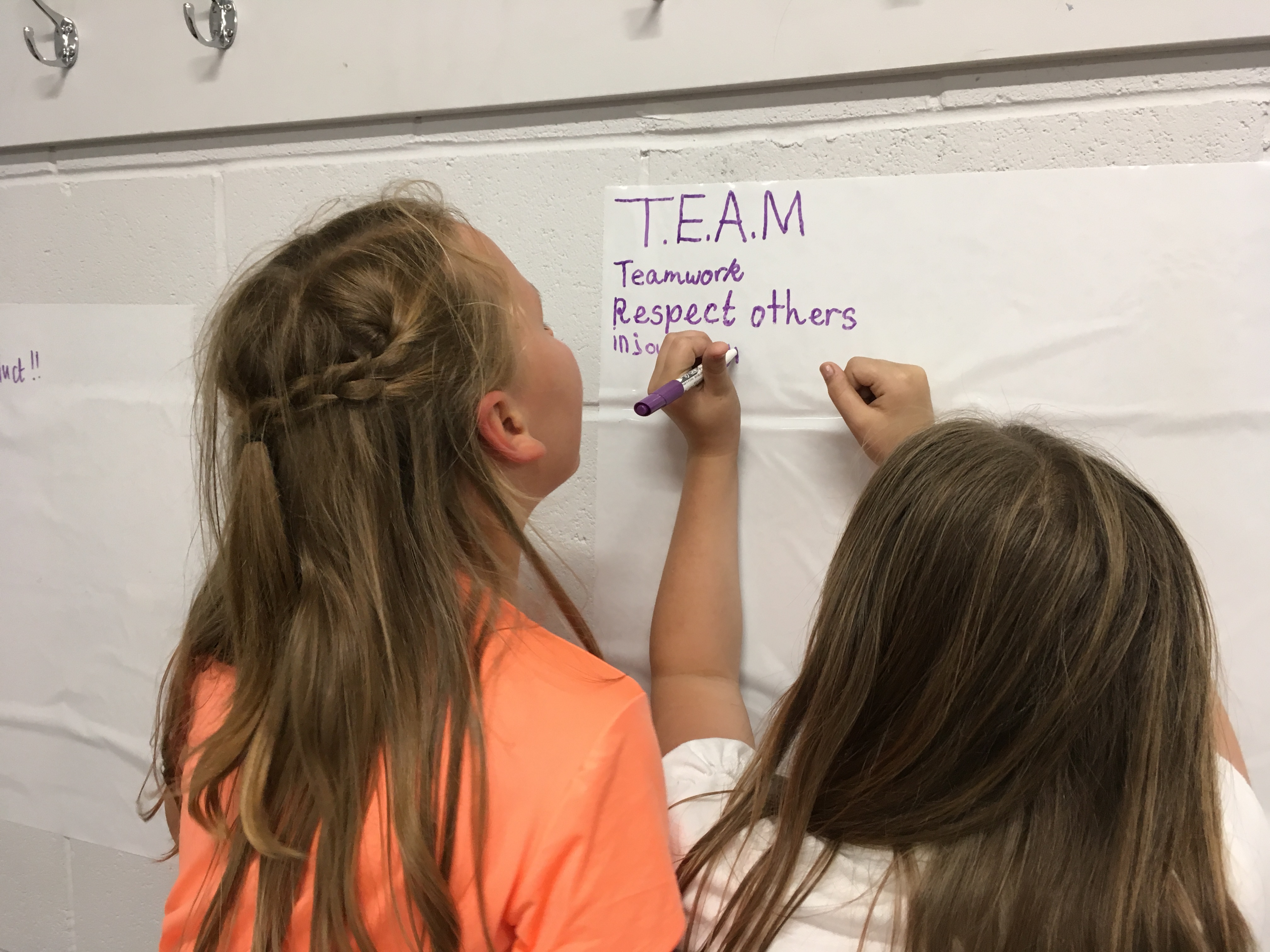
The approach involves working in collaboration with others. Key to the approach is;
- joint working between sporting and non-sporting organisations
- actively seeking out partners with specific expertise or connections
- building relationships with a diverse range of partners
- clearly setting out roles of each partner and what the expectations are
- having an agreed shared vision across the partners.
“There have been opportunities for us to allow youth agencies and the clubs to meet and it’s really helped the clubs to understand community need, how to manage certain behaviours and people, and then support youth workers to run sessions to specific demographics in the community.”
Collaborating with sporting and non sporting partners can;
- bring new ideas expertise, knowledge and resources
- better connect with communities through community-based organisations
- learn more about community needs
- build community trust through known and recognised organisations
- reach under-represented groups
- add value and combine strengths through working together
- link with people who may not connect traditionally with physical activity
- have deeper, honest – and sometimes challenging - conversations about how to address community needs
Case studies
- Scottish Sports Futures have been working in partnership with Scottish Athletics to bring athletics to young people in Dalmarnock in Glasgow. Young Leader Kebba has taken on a role to inspire young people to discover a passion for athletics and break down barriers to taking part.
- Partnerships focus brought to life through leaders in the sporting system
- Non sporting partnerships brought to life through leaders in the sporting system
- Meeting Community Needs - Leadership Conversations: Building better and meaningful partnerships In this conversation, Chris Platt from Montrose Community Trust and Ross Taylor from ANGUSalive share how they worked on their partnership relationship, and identify three key lessons from their work
Learning tools
- Types of partnerships – great partnerships come in all shapes and sizes. Understanding what our partnership looks like and re-evaluating will help optimise existing and new partnerships.
- Offers and asks – to help you provide clarity on what you offer as an organisation and what you’re looking for in a partnership
- How can we make contact with people in our community (Thrive toolkit)
4. Community need
This approach is fully focussed on community need, and is based on starting with an understanding of the needs of people and communities, with the aim of working to reduce inequality, disadvantage and challenges in society. It is recognised that this involves investing time in understanding needs, and creating a non-judgemental environment where people feel comfortable sharing their experiences.
To understand need, you should;
- spend time in communities
- take time to build relationships
- put communities and people in the centre
- not come in and deliver activity without finding out about needs
- plan targeted programmes to meet community need
- prioritise – and focus on people with the most need.
Do not assume you know the community, just because you are part of it. It is important to also understand that the needs of people within the community will differ, so it is important to understand a range of needs. Community mapping is a useful tool, helping to understand needs, relationships and what else is available in the community (activities, partnerships, groups, demographics).
“It’s about delivering what people really need, as opposed to our assumptions about what they might need.”
Case studies
- Meeting health and wellbeing needs in communities – explore how sport and physical activity can support physical, mental and social health for all.
- Meeting life, learning and employability needs in communities - used purposefully, sport and physical activity can make a big difference to how people engage with learning, school and education and how people develop new skills for life, learning and work
- Drumchapel Community Sport Hub take an intentional approach to meeting the needs of the local community through the sports of gymnastics, table tennis, boxing, cycling and football
- In this podcast Dundee Leisure and Culture Community Sport Hub Officer Alison Mackenzie brings to life the process worked through with a club to better understand local need, analyse any gaps in the club’s approaches, improve decision making and identify priorities to change lives through sport.
- Example of a community profile - Enigma Gymnastics Club – this collates all relevant information related to Stirling that can help with club planning. This includes SIMD data, maps, community need, partnerships as well as breakdown of current club membership.
Learning tools
- Intro to communities of place and communities of interest - explore 2 ways of thinking about community engagement. These represent different ways people come together—and both have implications for how sport can connect with, support, and serve them.
- Where to find information;
- Community mapping and SIMD – a short video focussing on how to map communities
- SIMD map – a website that indicates levels of deprivation in a specific area of Scotland.
- Basic community mapping tool
- Where to find community information
- How to engage Communities – community engagement is a fundamental part of Meeting Community Needs. At it’s core, it means intentionally reaching out to, listening to, and working alongside communities to ensure sport and physical activity meet their real needs. It goes beyond delivering sport to people—it involves creating sport with people, by recognising and valuing their lived experience, local knowledge, and unique perspectives
- Who are the people we are trying to reach? (Thrive toolkit
- What already exists in our community? (Thrive toolkit)
5. Intentionality
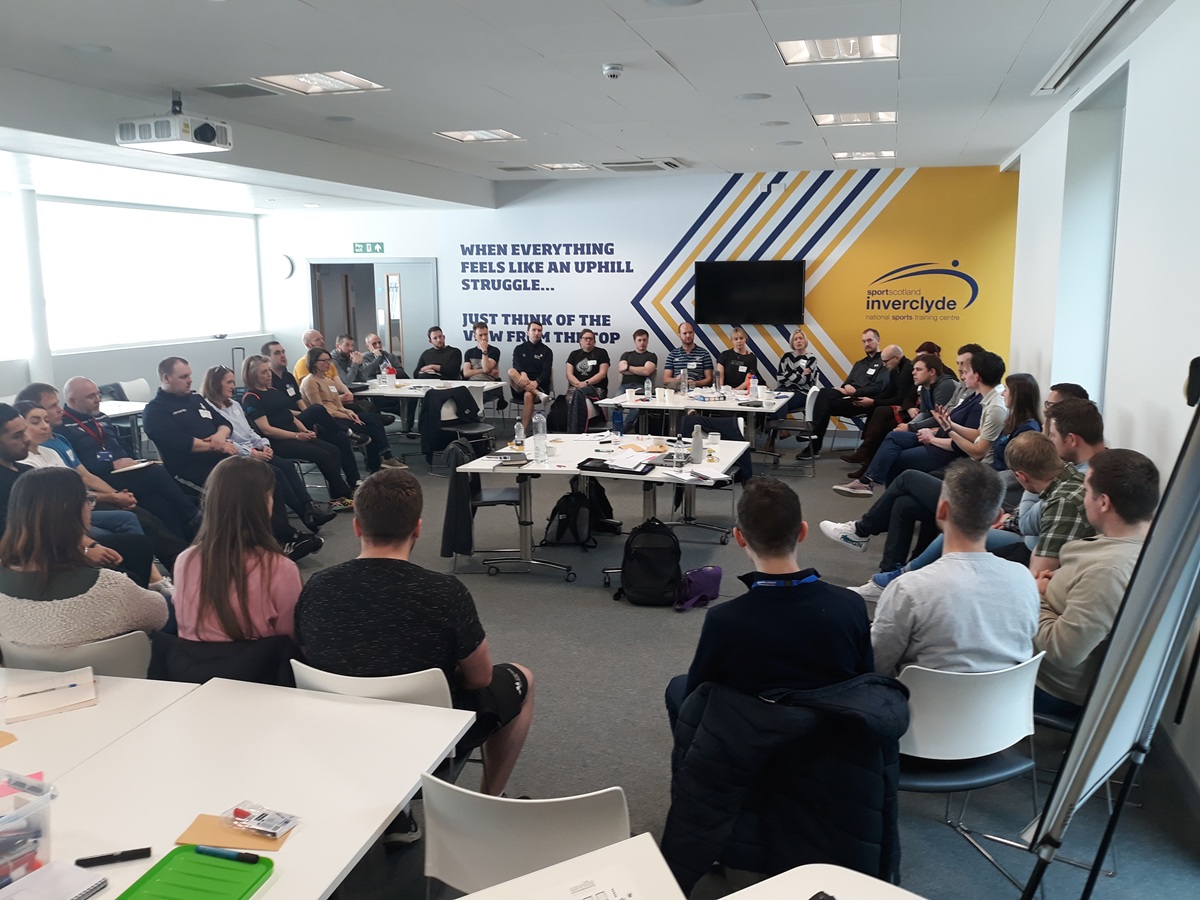
To meet community need, we should intentionally and purposefully look at issues that communities face and how sport and physical activity can play a role in providing a solution to achieve outcomes for these communities. This involves;
- a stated intention to bring about change through sport and physical activity
- clear understanding of the outcomes the activity aims to achieve - start small
- start with the ‘why’ and ‘what are we trying to achieve’ at the heart of project design - use of the Theory of Change tool
- using a continuous improvement approach (e.g. Plan/Do/Review planning cycle)
- ensuring everyone has the same understanding of the outcomes for the project
- designing activity with the explicit goal of meeting community needs and bringing about change
- starting with intended outcomes and community needs, before planning programmes or approaches.
- What is an outcome? participation in sport is not just an end goal, but also a powerful gateway to achieving wider social outcomes that benefit individuals, communities, and society.
- Outputs v outcomes - a learning video with leaders in the sporting system highlighting the difference and connection between outputs and outcomes.
- Outcomes v outputs activity A tool that enables professional officers to help sports people understand the difference between outcomes and outputs.
- Meeting Community Needs: The Language of Outcomes – this explores the importance of using outcomes as we design, talk about and evaluate what we do. This tool offers a quick trick to develop outcomes for a new idea or funding application, and advice on how to refine the way you use outcomes already.
Case studies
Port Edgar Watersports is a unique, inclusive centre in Scotland that changes lives through water sports. By creating an accessible, supportive environment, they empower people of all abilities to actively participate in sailing and maritime activities. The centre focuses on building confidence, skills and community cohesion through offering programmes that help young people struggling with traditional education and providing opportunities for vulnerable young people. As a self-funded community interest company, Port Edgar is dedicated to making water sports a transformative experience that goes far beyond just learning to sail.
Meeting Community Need - Leadership Conversations: Driving intentional work to support communities - In this conversation, Sam Lawson and Danny Bisland from the Scottish FA share how they have gone about this, and the impact of taking a more intentional approach to having a more active role in communities. Sam and Danny share a number of lessons about their experience of supporting clubs to be more intentional about their role in communities. They talk about a three stage process: listening to communities, addressing barriers, and working to engage people. They recommend looking at existing opportunities to build in these conversations, for example through development frameworks and with staff. Also key is adapting to the local community - as what works in one place doesn't necessarily work for another. Finally, it's important to be explicit about the benefits to clubs and share the impact of efforts.
Learning tools
- What is an outcome? participation in sport is not just an end goal, but also a powerful gateway to achieving wider social outcomes that benefit individuals, communities, and society.
- Outputs v outcomes - a learning video with leaders in the sporting system highlighting the difference and connection between outputs and outcomes.
- Outcomes v outputs activity A tool that enables professional officers to help sports people understand the difference between outcomes and outputs.
- Meeting Community Needs: The Language of Outcomes – this explores the importance of using outcomes as we design, talk about and evaluate what we do. This tool offers a quick trick to develop outcomes for a new idea or funding application, and advice on how to refine the way you use outcomes already.
6. Measuring impact
It is vital to measure impact, in order to understand what difference you are making, and what is and isn’t working. This involves;
- clarity of intended outcomes – being clear about what is needed before action is taken, and how the activity is expected to contribute to change, in line with the Theory of Change model
- thinking about impact from the start – embedding self-evaluation in the project
- agreeing evaluation methods with participants – exploring simple and effective ways to gather information, and creating the right environment to allow people to tell their stories
- using a range of methods – including both qualitative and quantitative evidence, including one to one chats, simple phone surveys, audio and video recordings, written quotes, storytelling
- avoiding an over focus on numbers – recognising that outcomes for participants and the quality of their experience is more important than participant numbers
- listening to participant voices – hearing people’s firsthand experiences in their own words, showing their excitement and joy
- integrating evaluation into everyday work – ensuring evaluation is proportionate and focused on measuring what matters
- an understanding of why it is important to measure impact – so that we can understand what works, and what could be done better
- realistic timescales – measuring change at times that make sense and are realistic and achievable, and recognising that the approach takes time a commitment to learning – using findings from evaluation to improve and develop activities, and using evaluation as a motivating and learning exercise, not something critical or to be feared.
“We try to keep it simple. We don’t go hard and heavy with surveys, we put a person-centred approach in place. Can we do a catch up for 10 minutes after a session? Is it pictures? Is it quotes from participants, or their families and teachers? Who else could we get involved to truly understand the impact?”
There are admittedly challenges to measuring impact. The main challenge is a focus on numerical targets. Historically, sporting success has been measured by numbers. Though quantitative evaluation is still important, organisations should consider how they capture and tell the stories of qualitative change.
Wider challenges to demonstrating impact also include:
- building a culture of evaluation – rather than assuming all sport is good
- making time for evaluation – it can be time consuming
- creating a body of evidence about meeting community need – qualitative evidence is growing but is still patchy and scattered between projects
- funding cycles – which mean it can be hard to measure outcomes beyond the short or medium term
- attributing change – when so many other things are going on in people’s lives, and there are other initiatives to help
- understanding trauma – recognising trauma and how best to measure change.
Case studies
A project in Wester Hailes in Edinburgh has been set up to try to strengthen relationships, reduce racially motivated bullying, and improve friendships between young people from a variety of backgrounds in the area through their involvement in sport. For similar examples across Edinburgh, check out Community Sport Hubs - Edinburgh - YouTube
Storytelling became a powerful tool for one leader working in Scottish community sport. It not only transformed how their team valued their own impact but also influenced wider organisational strategies and unlocked new opportunities. Find the short video here Meeting Community Needs learning - Storytelling example
Learning tools
Planning
- A Theory of Change supports club planning by connecting the who, the why and the what. It is a practical and accessible planning tool that helps sports organisations design more intentional, inclusive, and impactful programmes. It works by clearly identifying who you are working with, what activities you will deliver, and why you are doing this work — the change you hope to achieve. A basic Theory of Change template can be found here (theory-of-change-basic.pptx).
- This short video (Meeting Community Needs tools - Theory of change advanced) shares more about the theory of change as we take a deeper look at what it is and how it helps both planning and the achievement of outcomes.
- Planning for impact brings to life a Theory of Change as a practical and accessible planning tool.
- Monitoring, Evaluation and Learning (MEL) helps community sport organisations understand the change they are creating, improve their delivery, and communicate impact to others. For each outcome you’re trying to achieve, a MEL framework asks four simple questions to guide effective data collection.
- The Advanced Theory of Change builds on the simple “who–what–why” structure by adding depth, rigour, and evaluative thinking to how clubs and organisations plan and deliver change. While the basic model helps identify core activities and desired outcomes, the advanced version pushes clubs to challenge their assumptions, gather evidence, and monitor impact over time.
Storytelling
- The Story of change is a useful model to bring to life stories of change. This video (Meeting Community Needs tools - Story of change) helps write a story of change that helps stakeholders engage with your work
- This short video (Meeting Community Needs learning - Storytelling introduction) highlights storytelling as a vital tool for communicating purpose and inspiring engagement. Rather than focusing solely on what a club or organisation does, the most powerful influence comes from sharing why it does it—its core values, beliefs, and positive impact on people’s lives. This "why" is communicated not just through formal messaging but through everyday personal stories shared between players, parents, and peers.
- Evaluation Support Scotland have a practical guide called Stats and stories that helps in reporting on outcomes blending qualitative and quantitative information.
Monitoring, Evaluation and Learning (MEL) Frameworks
- Monitoring, Evaluation and Learning (MEL) helps community sport organisations understand the change they are creating, improve their delivery, and communicate impact to others. For each outcome you’re trying to achieve, a MEL framework asks four simple questions to guide effective data collection.
- Evidencing our impact Monitoring, Evaluation and Learning (MEL) is a vital component of the approach in Scottish community sport. It enables sports clubs and community organisations to understand, communicate, and enhance the impact they make in the lives of participants and the wider community. Rather than being a bureaucratic exercise, MEL helps organisations tell their story with evidence—attracting funding, informing improvements, and validating their 'why’.
- Planning to Evaluate - Here we explore how you can build in a simple self-evaluation approach from the beginning of your programme design. We discuss the importance of thinking about evaluation from the start, and offer simple advice on how to do this well.
- Data basics - This video outlines ethical considerations and the what, who, how and when of collecting data
- What might success look like and how do we record it? (Thrive)
- How do we know what works, what doesn’t and why? (Thrive)
7. Co-design
Working with potential participants to design approaches that meet their needs is key. This involves;
- listening carefully to people
- bringing people together to share experiences and shape ideas
- co-creating and co-producing plans and activities with local people
- being collaborative, inclusive and accessible
- doing activity with communities rather than to them
- working through a journey with communities
- adopting a youth work or community development approach
- ensuring involvement is not tokenistic, but is empowering
- offering leadership opportunities and peer to peer support.
It is important not to focus on the sport itself but to work with participants to understand their need and then tweak activities to meet this.
Case studies
The Meeting Centre initiative at Strathmore Cricket Club is a powerful example of community-led, person-centred engagement. Rather than being a service for people, the centre is run with the community and its members—many of whom are living with dementia. The success of the project is rooted in shared ownership, meaningful partnerships, inclusive design, and an unwavering commitment to dignity and wellbeing. Key principles demonstrated include building strong local partnerships, valuing lived experience, fostering a sense of belonging, creating inclusive and welcoming spaces, and co-producing activities that serve real needs. The initiative highlights how sport and community organisations can repurpose underused spaces to deliver social impact while becoming more sustainable.
Learning tools
Double diamond is a visual representation of the design process used across Scotland. It’s a simple way to describe the steps taken in any design and innovation project, and specifically includes co-production with communities.
8. Person centred
Sport is a people industry. Relationships and human connection are key to sport. Those involved in leading and delivering sport should take a relationship-based approach, facilitating the building of relationships across participants, coaches, staff and volunteers and establishing human connections.
- using approaches like mentoring and spending time together to connect and understand people’s individual needs
- being willing to change and adapt to peoples needs – as small changes can make a big difference
- understanding that people’s characteristics and needs intersect, which can compound inequality, disadvantage and challenges
- listening well, being empathetic and understanding
- taking a trauma-informed approach
- being mindful of safeguarding, child protection or mental health issues
- supporting people to take agency in what they are doing, and make choices
- thinking about the language used – in line with what individuals and communities prefer
- being open to changing what you do – not just offering the same activity because that’s what worked in another area or at another time
- taking an in-depth approach – working at smaller scale but more in-depth to secure long term change and deeper impact.
“The people we’re working with are facing challenges of all kinds, so it’s really important we understand their ‘why?’ what they’re looking for and how we can help them, rather than just say ‘we’ve got this brilliant programme – come along, you’ll have a great time.”
Case studies
At Scottish Sport Futures, the approach is based on:
- relationships and connection – to ensure people feel seen, heard, and valued and are physically and emotionally safe
- person centred – working alongside people, co-producing solutions with young people, giving them choice and autonomy
- trauma informed – recognising trauma symptoms and acknowledging the role trauma may play in an individual’s life
- outcome focused – focusing on the changes and differences we hope to make
- needs based – connecting with young people and communities to understand their needs, what is missing and what needs are not being met.
“Our team at SSF passionately harness the power of sport within schools and in the heart of communities. A cornerstone of this approach is the importance of fostering connections and trusted relationships. Having established this, sport can be an incredible tool to help develop transferable life skills, gain qualifications and improve health and wellbeing. SSF work with partners in schools and communities across Scotland to achieve this.”
“It makes me feel recognised, like I’ve got a special place.” Participant
“They invested in me, involved me, they cared about me.” Participant
Learning tools
- Scottish Sports Futures are a changing lives charity who believe that providing quality education and training is a core pillar of tackling widespread problems faced by society. Their education and training combines youth work principles and sport to develop skills and knowledge. Their SSF E+T Brochure 2025 has multiple courses relevant to taking a person-centred approach, specifically - Human Connection course (p9), Putting the person first (p12), and Trauma Informed Sport and Physical activity (p11)
- How should we deliver our sessions? (Thrive)
- How do we build positive relationships with people? (Thrive)
- How do we stay responsive to people’s needs? (Thrive)
9. Fun and social activities
It is easier to attract new individuals to your activities if you make them fun and social, meeting the social, emotional and mental needs of people.
- make fun and social aspects the main focus
- offer tasters, drop-ins and the chance to try activities without commitment
- offer mixed activity for all the family, and intergenerational activities
- tailor activities so they work for and include all abilities
- provide a mix of structured activities and free play or socialisation opportunities
- reduce competition and take the seriousness out of sport
- adapt the sport to make it more fun, engaging and accessible.
“ If it’s not fun or enjoyable, it doesn’t matter what the opportunity is – physical activity won’t be sustained.”
“You find so many people who consider themselves to be disengaged from sport or not active because they have a different idea as to what sport actually is. Sport can just be a way to bring people together and enjoy themselves – it doesn’t have to involve tracksuits and coaches with stop watches!”
A big part in creating a fun and social approach was building the right environment. - providing a safe and welcoming environment.
- a safe space – including getting to and from the activity
- an accessible space – for people with disabilities or additional needs
- a fun, friendly and welcoming environment
- an inclusive space – where people can be open and honest
- a non-judgmental and calm space.
Case studies
This story from Leith is a powerful example of how sport and physical activity can brings people together but also drives meaningful social connection. The story focuses on a vibrant community event that blends music, dancing, shared meals and local services to tell a story of the impact of organisations working in partnership to increase physical activity and combat loneliness and isolation.
Cricket Scotland’s Wicketz programme brings people form varied backgrounds together to take part in fun and social cricket, providing opportunities to meet new people and learn together.
Learning tools
How to make our sessions fun and friendly? (Thrive)
10. An inclusive approach
We want everyone to benefit from sport. However, not everyone feels included in sport, and we want that to change. By listening closely to what matters to people, the sporting system creates opportunities in sport that really meet people's needs. This includes;
- identifying the needs of the most disadvantaged communities and designing programmes to meet their needs – around health, community integration, skills development, poverty, trauma or other priorities
- bringing different communities together to build stronger communities and tackle community wide issues
- considering individual and community needs in planning activity – and breaking down barriers like time, location, access, safety and pricing.
It is key to think about inclusion and equality when assessing community need. In exploring need, tacking inequality should be embedded from the outset. Programmes should then be planned to meet need. This contributes to equality, diversity and inclusion (EDI) agenda through:
- providing a practical way of promoting inclusivity in sport
- building their understanding of community needs, experiences and challenges
- strengthening the language they have available to talk about equality, diversion and inclusion
- both approaches – EDI and Meeting community need – shift conversations in terms of policy, priorities and language.
- the EDI approach is about addressing inequalities in an organisation and its membership (about the organisation and the sport). Meeting community need is about addressing inequalities in society - starting with community need
Case studies
- Meeting inclusion needs in communities – It is important to build inclusion and equality, and supporting communities to feel better connected, more socially cohesive and safer.
- Jidel Judo Club is based in West Lothian. The club is intentional about breaking down barriers to participation and taking a person centred and collaborative approach to their sport.
- Getting started with inclusion a learning video with leaders in the sporting system exploring first steps in inclusion
- Defining Inclusion a learning video with leaders in the sporting system defining what inclusion means
- What does inclusion mean to me? a learning video with leaders in the sporting system exploring inclusion from their own perspectives
- Stages of inclusion a learning video that explores where organisations are at in terms of building inclusion into their ways of working
- Reducing barriers a learning video with leaders in the sporting system talking about the barriers that may exist for those not traditionally a part of sport
Learning tools
- sportscotland Introduction to Equality, Diversity and Inclusion e-learning
- The Inclusion continuum is an activity tool to help clubs recognise who’s included in their club and who is not and reflect on this in their planning.
- Forms of inclusion is one model used in sport that outlines four distinct way that inclusion can be expressed within Scottish community sport
- For disability sport the Activity Inclusion Model, developed by Scottish Disability Sport, supports participant centred provision of physical activity and sport
- How can we make it easier for everyone to join Actify