

Clubs and community organisations are stronger when they intentionally contribute to the needs of their community. By understanding community need and being responsive to this through our planning, design and delivery, this will help clubs to engage more participants (as well as more diverse participation), thereby creating strong, sustainable, safe, and inclusive clubs that meet the needs of their community and their members.
This approach is about intentionally using sport to create positive change in people’s lives and in their communities. It’s more than simply just increasing participation—it’s also about understanding and responding to real social issues such as mental health, social isolation, community cohesion and anti-social behaviour.
Our approach to Meeting Community Need (overview document)
What is Meeting Community Need? (video)
What are the key ingredients of this approach?
The approach involves putting some intentional thinking into how we develop sport and physical activity. Taking into account key ingredients will maximise the impact that organisations are trying to make.
The difference meeting community need can make
Delivered with intent, sport and physical activity can impact on numerous areas in the lives of individuals and communities.
Meeting Community Need – the difference it can make (short)
Meeting Community Need – the difference it can make (full version)
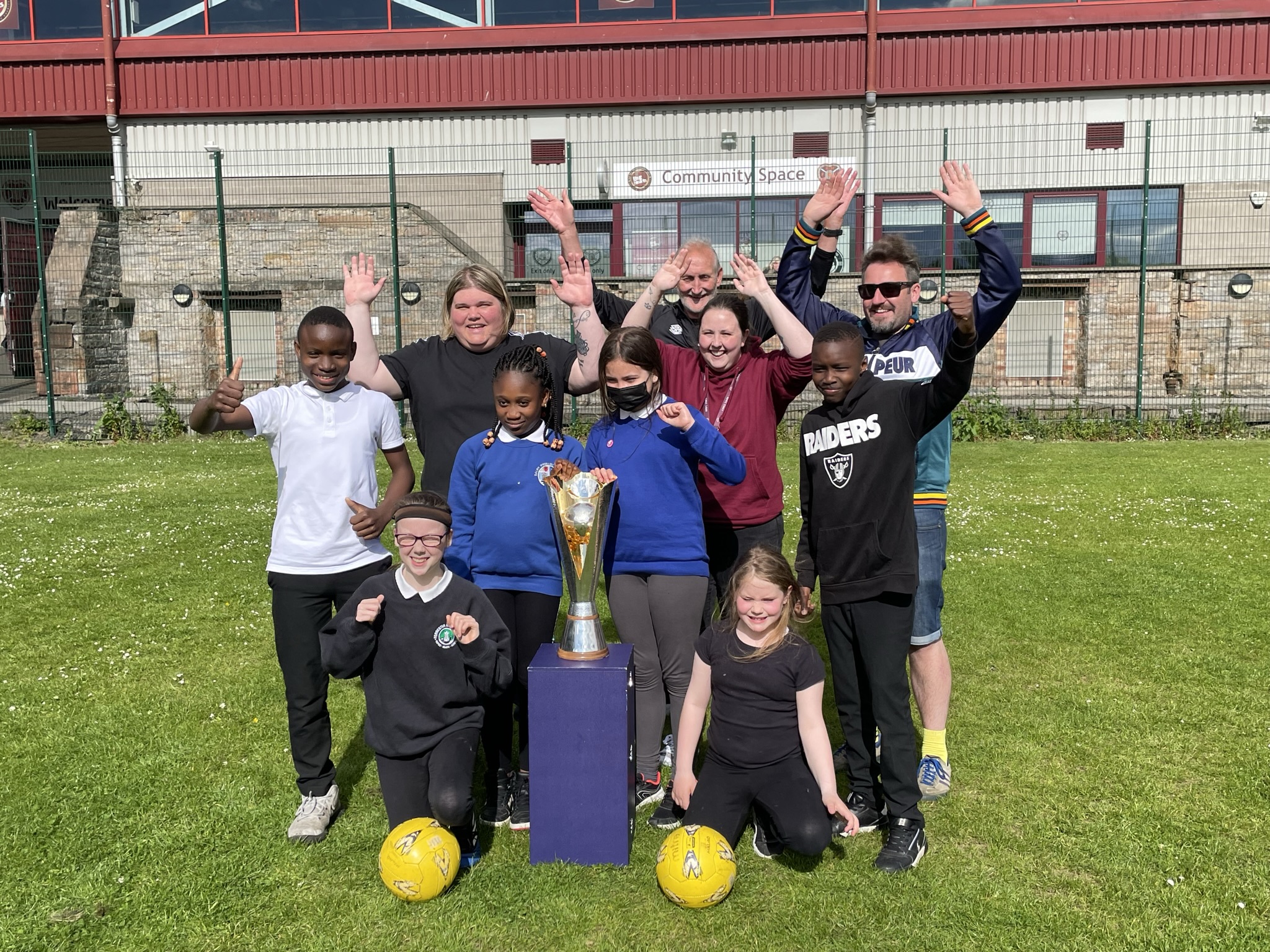
Intentionality increases impact
The approach doesn’t start with the premise that sport or physical activity is inherently good, or that positive outcomes are a by-product of sport. Instead, it looks at the problems and issues that people and communities face and how sport and physical activity can play a role in providing a solution.
Intentionality increases impact
Policy context
By working intentionally, sport and physical activity can support wider policy areas nationally and locally. The approach can make a significant contribution to health and wellbeing, inclusion, community development, learning, skills and employability.
Challenges in taking the approach
Taking this approach involves reflecting on the values your organisation has and the outcomes it is trying to achieve. For many, this may involve a shift in mindset from solely focusing on participation and performance to embedding wider outcomes within this and achieving both. This involves understanding and buy in across the organisation which can take time, is a journey, and involves engagement, reflection and discussion. Some people in sport can struggle with slow change, as they are often target driven and activity focused, and want things done quickly.
Sports club face many challenges in terms of operations, finances, volunteers, and remaining sustainable long term. Clubs can often operate on a year-to-year basis, are not sustainable longer term, and have financial challenges. This approach can be seen as something ‘additional’ to being a strong and effective organisation.
However, the approach can often support some of these challenges, by bringing in new participants, new volunteers, new resources through partnerships, and by being more investable in given the focus on wider needs, and not just traditional sporting outcomes. Sports clubs are often the anchor in their communities, and are well positioned to change lives through sport. Many Scottish Governing Bodies of Sport and local authorities have officer support available to work with clubs to take them on a journey and embed this approach over a long period without having huge impact on volunteer capacity. These professional officers can support clubs to explore community need, building trust with communities, and designing programmes to meet these needs.
The funding sector rarely funds sport for sports sake, and it can therefore be hard to attract grant funding. Funders do however support outcomes for individuals and communities, so by taking this approach, this could actually overcome financial challenges, and could attract funding from external sources, as well as achieving participation and wider outcomes.
Where did this work originate?
National partners with a vested interest in both sport and the power that sport holds to positively impact communities came together in 2016 and commissioned the Sport for Change Research 2017. This research identified key recommendations which were taken forward from 2018 onwards under the previous banner of ‘Changing Lives through sport and physical activity’ (which is now referred to as Meeting community need);
- The ‘Changing Lives’ operational partnership providing leadership through sportscotland. The Robertson Trust, Spirit of 2012, Scottish Government Active Scotland Division and sportscotland created a partnership of organisations with a vested interest to drive forward the recommendations within the 2017 research. The partners created a Changing lives logic model and the development of clear messaging and leadership roles around the Changing lives through Sport & Physical Activity approach
- Changing lives Fund - The delivery of a “Changing lives through Sport & Physical Activity Fund’ across 2019-2021 provided short term additional resource into the sporting and community sector to better address wider individual and community needs through sport & physical activity and support them to become and stay active. Changing lives Fund evaluation 2022
- Workforce development - The development of a range of learning and development support to build knowledge, skills and capacity. This is targeted at the workforce which supports delivery organisations, and also directly at the delivery organisations themselves, and focusses on effective approaches to delivering change, and on building effective and strong clubs and organisations.
Changing lives Learning report 2024 (full)
Changing lives Learning report (summary)
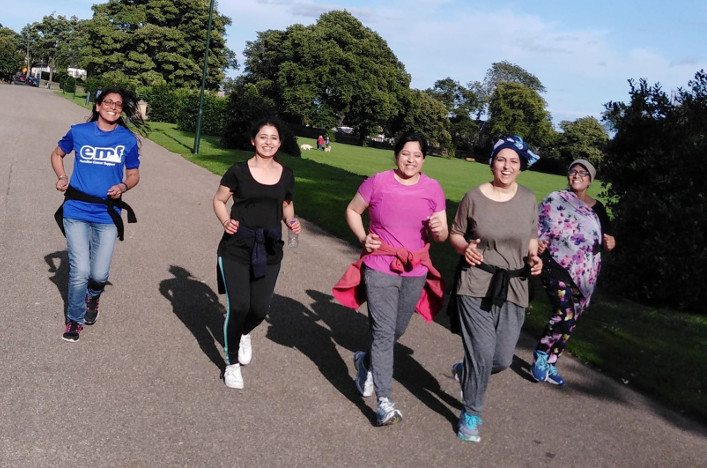
Further learning
The approach to meeting community need is relatively new, and activity is developing and evolving in different ways across Scotland. The learning created about the approach is available in a wide range of different forms - case studies, videos, impact reports, annual reports and evaluation reports, included above and below;
- Brightspace - Meeting Community Need e-learning
- Tools and models – core tools and models to use when planning and delivering to meet community need
- Learning videos – a series of conversations with key experts in meeting community need exploring themes and areas for development
- Case studies – meet the clubs and volunteers across Scotland who are changing lives through sport
- Leadership learning tools – tools to help plan, influence, improve leadership skills and ensure correct use of language around outcomes
- Leadership videos – series of conversations with leaders in sport around achieving impact
- Thrive – The Thrive Learning Programme helps practitioners understand more about how to use physical activity or sport to achieve a range of outcomes